
"smallholder methods"
500 article(s) found

Introduction to the taste of varieties in Tanzania coffee flavor description method
On January 12, 1964, the Sang people overthrew the sultan and founded the Zanzibar people's Republic. Tanganyika and Zanzibar formed a United Republic on April 26, 1964. On October 29 of the same year, the name of the country was changed to the United Republic of Tanzania. Julius Cambara Ginerere was the founding president and was re-elected twice until he resigned voluntarily in 1985. Mwinyi was elected on October 27th of the same year.

Classification of different grades of washed Kenya coffee beans
Under the influence of British colonization, Kenyans love coffee. In Kenyan restaurants, drinks have to be paid extra, but coffee is provided free of charge. The history of Kenyan coffee can be traced back to the end of the 19th century, when the British established a sound cultivation and quality control system. After Kenya became independent in 1964, the coffee industry continued to develop on the existing basis, and now it is a world-famous high-quality product.

Difference of characteristic flavor and taste between Yega Xuefei and Sidamo coffee beans in Ethiopian coffee producing area
Exchange of professional baristas Please follow the coffee workshop (Wechat official account cafe_style) in the past two years, Ethiopian coffee represented by Yega Xuefei has been sought after by many coffee lovers, and many coffee lovers have expressed that they are very amazing and unforgettable after drinking high-quality Yega Xuefei. The word yirgacheffe has also become familiar to more people, even bigger.

Introduction to the quality characteristics of Yega Fischer's taste and flavor description method in producing areas
Yega Sheffield Coffee area: Yega Sheffield Coffee producer: Rico Cooperative (Reko Cooperative) treatment: sun treatment altitude: 1850-2100 m baking degree: light baked varieties: Heirloom native species grade: G3 certification: red cherry project (Operation Cherry Red) cup test flavor: sweet jackfruit, mango, ripe peach, strawberry
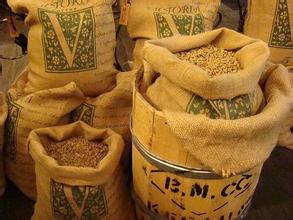
Djimmah, an Ethiopian coffee producing area, follows the ancient method to take the sun treatment class.
The coffee-producing region of Ethiopia is divided into east and west parts by the East African Rift Valley, with lakes, volcanoes, lowlands, plateaus and woodlands interlaced, each evolving. Ethiopia has the most diverse coffee ecosystem in the world (forest coffee, semi-forest coffee, pastoral coffee and plantation coffee), which also preserves its rich Arabica genes. The eastern half is mostly plateaus, coffee beans.
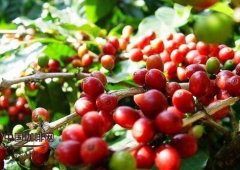
Zaire coffee grows Arabica coffee in the northeast of the country
Boutique coffee is fresh coffee. Whether it's food or drink, of course, the fresh the better, and so is boutique coffee. High-quality coffee should keep the coffee beans fresh before making, including the preservation of baked beans, and grind the coffee beans into powder before making, which is also to retain its original and best flavor. And the way of making hand-made coffee is such a way to make high-quality coffee.
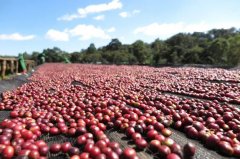
Introduction and description of several characteristic varieties of YCFCU Cooperative in Ethiopia
For the exchange of professional baristas, please follow the coffee workshop (Wechat official account cafe_style) Yega Xuefei Coffee Farmers Union Cooperative Yirgacheffe Coffee Farmers Cooperatives Union (YCFCU) Yega Xuefei Coffee Farmers Union Cooperative (YCFCU) represents 26 cooperatives in the Gedeo district of southern Ethiopia, located in Yejasuefei, Jettip and WA.

Colombian boutique coffee Vera Supremo grade water washing method nut flavor
Professional coffee knowledge exchange more coffee bean information please follow the coffee workshop (Wechat official account cafe_style) Colombia's three Codiera mountains run north and south, extending into the Andes, local coffee farmers grow coffee along the highlands of these mountains, with diverse climate production conditions; also because of changes in topography and altitude, Colombia's coffee industry

Description of Coffee Bean Flavor by Yejia Coffee Cochel washing method introduction of manor varieties
Kochere Cochel is located in southwest Ethiopia, 25 miles to the north is the famous town of Yega Chefen, the production mode is mainly based on local small farmers to send the output batches to the cooperative for unified treatment. About 100000 people in the local village of Chalalacktu depend on coffee for a living, and related production activities become him.

East African Fine Coffee stands for Yejia Sherry Coffee Bean Variety Planting Market Price Profile
Yejia Shefei is a sub-producing area in Sidamo Province of West Damo, Ethiopia. It is located in the northwest of West Damo, near mountains and lakes. It is one of the highest coffee producing areas in Ethiopia. However, the production method and flavor here are too prominent, resulting in Ethiopian coffee farmers competing to be proud of their own coffee with Yejia Shefei flavor, so they are independent from the West Damo production area and have their own style.

Characteristics of coffee bean flavor in Guji producing area after slow sun treatment of Faxidamo coffee Humbera manor
For the exchange of professional baristas, please follow the coffee workshop (Wechat official account cafe_style) Ethiopia Washed Guji Hambela G1 Ethiopia washing Gujimbela G1 production area: Guji Zone (Hambela Woreda) processing Plant: Humbela (Hambela) altitude: 2100-2200 m treatment method: washing method varieties: Ethiopian ancient
Basic knowledge of boutique coffee Peruvian coffee
Peru (Peru) is also a big coffee producer. Peruvian coffee producing areas: up to 98% of Peruvian coffee is grown in forest areas, and most of the producers are small farmers. Peru's finest coffee is produced in Chanchmayo, Cuzco, Norte and Puno. Most Peruvian coffee is grown under natural conditions, but it is difficult to confirm

Front Street Cafe Ethiopia washes G1 Xidamo Coffee in Shaquiso Micro-production area
Coffee bean details: country: Ethiopia Grade: G1 production area: Sidamo Gujisha Chiso Micro production area Baking degree: shallow Baking (end of explosion) treatment: washing Variety: original seed producer: local small Farmer Flavor: lemon, Citrus, Piaget Tea, Caramel Shakiso (Shakisso/Shakiso) is located in the Guji producing area of Sidamo and is located in the Central Africa of Sidamo.

The coffee producing area of Peru.
Peru (Peru) is also a big coffee producer. Peruvian coffee producing areas: up to 98% of Peruvian coffee is grown in forest areas, and most of the producers are small farmers. Peru's finest coffee is produced in Chanchmayo, Cuzco, Norte and Puno. Most Peruvian coffee is grown under natural conditions, but it is difficult to confirm

Single item coffee Ye Jia Xue Fei G3 BenchMaji sun class Qimaji coffee
Coffee Bean Details: Country: Ethiopia Grade: G3 Origin: Banqimaji Primeval Forest Altitude: 1500-1700 m Processing Method: Sunlight Variety: Typica, Heirloom Producer: Smallholder Harvest Concentrated Processing Flavor: Jackfruit, Spice, Wine
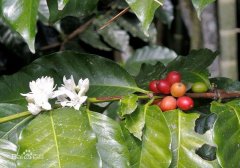
Nicaraguan boutique coffee Jim Molina Manor
El Salvador is located in Central America, bordered by Guatemala and Honduras in the north, and the Pacific coastline in the west and south. El Salvador is the smallest country in Central America and the most densely populated country in Central America. Although the territory of El Salvador is small, it has dozens of volcanoes. It is the country with the highest density of volcanoes in the world, so it is called the country of volcanoes. Full

El Ataisi Estate Pacamara Cooked Bean Boutique Coffee
Coffee cultivation in El Salvador is mostly smallholder, with farmers following traditional methods: almost 100 per cent shade cultivation. The coffee harvest lasts from November to March. All are hand-picked to harvest fresh coffee. Overall, Salvadoran coffee inherits the mild qualities of Central American coffee, overall soft, slightly sour, with a nice
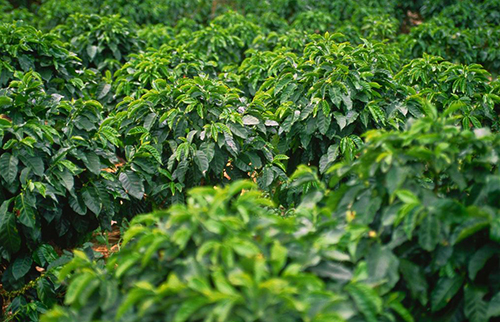
Fine coffee, high quality washed raw beans, El Salvador Ataisi Manor Pacamara.
Coffee in El Salvador is grown mostly by small farmers, who grow it in the traditional way: almost 100% shade. The coffee harvest lasts from November to March. The fresh fruit of coffee is picked by hand. On the whole, Salvadoran coffee inherits the mild quality of Sino-American coffee, which is soft, slightly sour and beautiful.

Introduction to the taste of major coffee producing areas in Colombia
Manor: small Farmer batch Tolima 1983 country of Origin: Colombia Colombia producing area: Tolima Tolima Variety: Caturra,Colombia,Bourbon altitude: 1950-2050Meters treatment: washed Washed Flavor description: plum, chocolate, milk, grapefruit, malic acid its unique geographical environment has created the quality of coffee, Columbia, mountains and rivers

Introduction to the flavor characteristics of Ethiopian lim coffee
Generally speaking, Lim Limu focuses on washed beans, which tastes milder than Sidamo and often feels like sweet lemon sugar. Although it is not as famous as coffee from Sidamo and Yegashev, it also produces beans with many special flavors. Lim coffee beans are mainly produced by local small farmers, but there are also some large state-owned estates in the area.